I.INTRODUCTION
The rapid acceleration of digital technologies, including artificial intelligence, data analytics, automation, and adaptive learning systems, has reshaped expectations for education and workforce preparation worldwide. Technical and Vocational Education and Training (TVET) systems play a vital role in supplying industry-ready talent [1], yet they face increasing pressure to remain relevant in an era defined by Industry 4.0 and emerging labor market disruptions. Vocational graduates are expected not only to master technical skills but also to navigate complex career pathways, adapt to changing occupational demands, and sustain employability across evolving sectors.
In Indonesia, these challenges are particularly visible. Persistent skill mismatches, high unemployment among vocational graduates, and uneven quality of career preparation indicate that current TVET structures struggle to keep pace with industrial transformation. Despite significant national investment in digital education initiatives, many vocational schools continue relying on outdated guidance practices manual assessments, fragmented data records, and generalized counseling that fails to reflect individual learner needs. As industries transform, TVET institutions must adopt more intelligent, flexible, and data-driven systems that can support both students and educators in making informed decisions. The growing emphasis on sustainable development, particularly the Sustainable Development Goals (SDGs), reinforces the need for educational systems that promote equitable opportunities, lifelong learning, and adaptability in uncertain economic environments [2].
Digital transformation in TVET is not merely an enhancement; it is a necessity. Without modern tools that integrate real-time labor market information, student data, and predictive analytics, career guidance risks becoming disconnected from the realities students face after graduation. Artificial intelligence offers unprecedented potential to bridge these gaps by enabling personalized feedback, multimodal data analysis, and adaptive recommendation mechanisms that respond to learners’ changing profiles over time [3].
Existing research consistently highlights AI’s capacity to enhance personalization in education. AI-powered systems can analyze psychometric patterns, interpret textual responses, track learner behaviors, and integrate academic data to generate individualized recommendations. In various educational settings [4], AI has been shown to improve student engagement, streamline assessment processes, and support targeted interventions suited to learner differences.
Despite these advances, the application of AI for career guidance within vocational settings remains limited. Career decision-making in TVET is complex, influenced by self-efficacy, social expectations, skill alignment, and industry demands. Traditional guidance practices typically conducted through episodic meetings and paper-based assessments lack the responsiveness needed to support students throughout their developmental journey. Students often report insufficient understanding of available career paths, limited exposure to accurate labor market information, and difficulty relating their competencies to professional requirements. Counselors, in turn, struggle with heavy caseloads and limited digital tools, making it challenging to provide sustained, individualized support.
What is known, therefore, is that while AI-enabled personalization is increasingly common in learning environments, it has not yet been systematically leveraged to support vocational student career development. Moreover, vocational students express clear interest in integrated, AI-supported tools that can help them explore options, receive timely feedback, and make informed decisions grounded in data rather than guesswork [5].
Despite awareness of the limitations in current career guidance systems, significant gaps persist. First, the fragmentation of student data remains a major barrier. Psychometric results, academic records, attendance logs, behavioral observations, and industry information often exist in separate systems or paper files. This prevents counselors from forming comprehensive student profiles that reflect growth over time. Second, existing digital guidance platforms, where available, are largely static [6]. They may store data or display career information, but they seldom analyze patterns, make predictions, or adjust recommendations based on student interactions.
Another critical gap involves the lack of adaptivity. Career development is dynamic; student interests evolve, industry demands shift, and personal circumstances change. Yet most traditional systems provide one-off recommendations that do not adapt unless a counselor manually updates them. Without AI-driven analytics, guidance remains reactive instead of proactive.
A further gap lies in the limited integration of multimodal data. Current systems typically rely on numerical test scores or simple survey responses. They do not incorporate richer forms of input such as narrative reflections, personality insights from text, or patterns inferred from behavior. As a result, guidance lacks depth and nuance.
Finally, there is no AI-based conceptual framework tailored specifically for Indonesia’s TVET landscape [7]. The national context characterized by regional industry variations, diverse school infrastructures, and evolving policy goals requires a guidance model that reflects local realities rather than generic frameworks imported from global contexts. In the Indonesian context, such localization requires the framework to align with national policy and competency architectures rather than rely solely on global AI-in-education discourse. Accordingly, the proposed system is intended to operationalize reference structures such as the Indonesian National Qualifications Framework (KKNI), sector-based competency standards such as SKKNI, competency certification logic associated with BNSP-governed assessment practices, and regionally differentiated occupational profiles linked to provincial industry characteristics. Within the framework, these references function as structured knowledge sources for mapping student profiles to competency clusters, certification pathways, and occupational recommendations. This localization is essential because career guidance in Indonesian TVET must reflect not only individual learner attributes but also nationally recognized qualification levels, sectoral standards, and uneven regional labor market opportunities.
Addressing these gaps has profound implications for students, schools, and national development agendas. Personalized, adaptive career guidance can strengthen students’ understanding of their competencies, increase motivation, and support more accurate career matching, ultimately contributing to reduced unemployment among vocational graduates. AI-based systems can help counselors use their limited time more efficiently, focusing on deeper student mentoring rather than administrative tasks [8].
At the institutional level, AI-driven decision support can enable TVET schools to align their programs with emerging labor market needs. Real-time analytics allow for curriculum refinement, industry collaboration, and targeted skill development [9]. This aligns with Indonesia’s broader educational transformation goals outlined in national planning documents.
Most importantly, this study positions AI not as a replacement for human counselors but as a support tool that enhances human decision-making, promotes ethical and data-informed practices, and helps build a resilient TVET ecosystem capable of evolving alongside technology and industry advancements [10].
Given these challenges and opportunities, the purpose of this study is twofold. First, it seeks to analyze the needs of vocational students, counselors, and industry stakeholders to understand the essential components required in an adaptive career guidance system. This includes examining current barriers, student expectations, counselor workload issues, and industry demand for specific competencies. Second, the study aims to design a conceptual framework for an AI-based adaptive career guidance system that integrates multimodal data inputs, natural language processing (NLP), psychometric profiling, and adaptive learning algorithms [11]. The framework is grounded in established theoretical models such as Social Cognitive Career Theory (SCCT), the Theory of Planned Behavior (TPB), and the Context–Input–Process–Product (CIPP) model to ensure that system logic aligns with psychological, behavioral, and contextual dimensions of vocational career development [12]. Together, these objectives lay the foundation for a scalable, ethically informed, and contextually relevant AI-guidance model capable of supporting sustainable transformation in TVET education. The remainder of this paper is organized as follows. The next section presents the integrated literature review and related work on AI in TVET, adaptive career guidance, multimodal analytics, and the theoretical foundations underpinning the proposed framework. The subsequent section describes the research methodology, including the Design and Development Research (DDR) approach, participants, instruments, and data analysis procedures. The following section reports the results of the needs analysis and the resulting conceptual framework. The discussion section interprets these findings in relation to prior literature and theoretical models, outlines practical implications, and acknowledges study limitations. Finally, the conclusion summarizes the main contributions and identifies directions for future research and implementation.
II.LITERATURE REVIEW
A.AI AND DIGITAL TRANSFORMATION IN TVET
The emergence of Education 4.0 represents a major transformation in how learning environments operate, particularly within technical and vocational education. Driven by advances in artificial intelligence, big data, and cyber-physical systems, Education 4.0 encourages institutions to adopt adaptive, personalized, and data-driven practices [13]. In the context of TVET, where learners prepare for technology-intensive careers, integrating AI into guidance and instruction is essential for maintaining relevance and competitiveness.
Globally, AI has been increasingly applied to support key educational functions such as automated assessment, real-time feedback, personalized learning pathways, and predictive analytics. Studies show that machine learning and multimodal analytics can identify student learning patterns, diagnose competency gaps, and recommend targeted interventions more efficiently than traditional tools [14]. These capabilities are especially beneficial for vocational learners who require tailored support to acquire industry-specific skills and navigate evolving occupational requirements.
In several countries, AI-Based Adaptive Career Guidance in TVET systems have begun adopting AI-powered platforms to evaluate competency levels, forecast student performance, and streamline program administration. Multimodal analytics capable of integrating numerical scores, text responses, behavioral data, and contextual variables are gaining traction as a means of capturing richer learner profiles and supporting strategic decision-making [15].
Recent educational technology research also discusses multimodality beyond data integration, including immersive and interactive environments such as virtual or metaverse-based platforms. In the present study, however, this dimension is treated cautiously. The empirical needs analysis conducted with students, counselors, and industry representatives primarily supports data-level multimodality, namely the integration of heterogeneous learner data such as psychometric profiles, academic records, behavioral indicators, and narrative responses. By contrast, immersive delivery environments are not positioned as a core requirement of the proposed framework because they were not identified by participants as an immediate priority. Accordingly, experience-level multimodality is framed here as a possible future extension that may enrich career exploration in institutions with sufficient infrastructure, rather than as a central component of the current conceptual model.
In this study, we therefore use multimodality in two complementary senses. Data-level multimodality refers to integrating heterogeneous learner data (e.g., psychometrics, academic performance, behavioral indicators, and narrative text) into a unified analytic profile. Experience-level multimodality refers to the design of interactive learning or guidance experiences that combine visual, spatial, and interactive modalities (e.g., immersive 3D environments, virtual navigation, and guided exploration). This distinction clarifies that our framework’s multimodal architecture primarily addresses data-level integration, while immersive environments represent a feasible extension layer for delivering guidance in more experiential formats.
However, while AI adoption in instruction is progressing steadily, its integration into career guidance remains far less developed.
The global trend suggests a growing recognition that AI can enhance personalization and improve learner engagement, yet many TVET institutions still lack the infrastructure, expertise, or frameworks needed to implement adaptive guidance systems effectively. This gap is particularly notable in developing nations [16], where digital transformation initiatives often focus on classroom technology rather than holistic, career-oriented support systems.
B.LIMITATIONS OF CONVENTIONAL CAREER GUIDANCE
Despite advancements in AI adoption in education, career guidance practices in vocational schools continue to rely heavily on conventional models. Traditional guidance often involves paper-based assessments, generic career information sessions, and counselor-led interpretation of psychometric results. These practices, although valuable, are insufficient for addressing the unique and evolving needs of vocational learners [17].
One major limitation is manual processing, which requires significant counselor time, especially in schools where counselor-to-student ratios are high. Manual interpretation of assessments can also introduce inconsistencies, and results may not be updated as students grow and develop new competencies.
A second limitation is fragmented data management. Student information such as academic performance, psychometric profiles, behavioral observations, and industry preferences is often stored in separate systems or physical files. This fragmentation prevents counselors from forming complete, longitudinally informed student profiles, resulting in recommendations that may be based on partial or outdated information.
Another concern is low personalization. Traditional guidance models frequently provide generalized recommendations that fail to reflect students’ individual strengths, interests, or career aspirations. Such one-size-fits-all guidance can lead to poor alignment between students’ chosen pathways and industry needs, contributing to lower job readiness.
Perhaps the most critical limitation is the absence of adaptive feedback loops. After students complete assessments or meet with counselors, there are typically no mechanisms for the system to track changes in their interests, performance, or goals. Guidance thus becomes static, failing to adjust when new information emerges. This is incompatible with the dynamic nature of vocational career development and the rapidly shifting labor market.
Collectively, these issues highlight the need for intelligent, integrated, and adaptive career guidance systems capable of supporting students continuously rather than episodically.
C.AI-BASED CAREER GUIDANCE AND ADAPTIVE RECOMMENDATION SYSTEMS
AI-based career guidance models have gained scholarly attention in recent years, though their use remains more common in higher education and general education contexts than in TVET. These models typically incorporate recommendation engines, predictive algorithms, and NLP to match learners with potential career pathways, training programs, or academic courses.
Recommendation engines use machine learning to analyze student data including academic records, interests, and psychometric results to generate personalized guidance. In some systems, algorithms predict career fit by comparing student profiles to industry competency requirements or labor market trends. These approaches have shown promise in improving the relevance and accuracy of career recommendations.
AI-powered psychometric and NLP systems extend the functionality of traditional assessments by analyzing narrative responses, reflective writing, or conversational text inputs. NLP can extract patterns that reveal personality attributes, decision-making styles, or emotional tendencies elements that are highly relevant to career planning [18]. When combined with psychometric tests, NLP allows for richer, multidimensional student profiles.
Despite these strengths, existing AI-based guidance systems also present weaknesses. Many rely on single-modal inputs, meaning they only process one type of data (e.g., textual responses or numerical scores). This limits their ability to integrate complex, multimodal information that better represents learners’ diverse characteristics. Other systems provide recommendations that lack adaptivity; they generate suggestions based on initial data but do not adjust as students interact with the platform or as labor market conditions shift.
Furthermore, few AI-guidance systems are grounded in established theoretical frameworks. Without strong theoretical foundations [19], systems risk offering recommendations that are technically efficient but psychologically unsupported or contextually misaligned.
Finally, very few existing AI-based career guidance tools are tailored specifically for TVET learners. As a result, they may not account for vocational program structures, industry certification requirements, or the hands-on nature of vocational learning [20].
D.AI ECOSYSTEMS, PLATFORMS, AND ASSESSMENT TECHNOLOGIES (NEW
The integration of artificial intelligence into educational systems has expanded considerably in recent years, creating new opportunities for personalized learning, intelligent assessment, and data-informed decision-making [21]. Within the broader AI ecosystem, several strands of research highlight how AI technologies are reshaping digital platforms, learning environments, and guidance systems [22].
AI ecosystems refer to systems in which multiple stakeholders, data streams, and digital infrastructures interact to generate intelligent outcomes. In education and creative industries, AI ecosystems have been used to enhance collaboration, streamline information sharing, and automate complex decision-making processes. Prior studies show that AI combined with cloud computing and big data can create integrated digital environments that connect institutions, learners, educators, and external partners [23].
Personalization is among the most significant contributions of AI to education. Intelligent platforms use learner data to tailor instructional pathways, recommend learning materials, and generate individualized feedback. AI-driven systems in vocational and higher education have demonstrated improved learner engagement, greater accuracy in competency identification, and enhanced motivation through adaptive recommendations [24].
AI-supported assessment technologies have proven effective in diagnosing learner needs, analyzing competencies, and predicting performance outcomes. Machine learning models can process multimodal data from test results to textual explanations to identify learning gaps and generate actionable insights [25].
Digital hubs and marketplace systems have also emerged as models for connecting users, resources, and services across educational ecosystems. These platforms illustrate how centralized data management and AI-driven recommendation systems can improve coordination among students, educators, industries, and policymakers [26].
E.THEORETICAL FOUNDATIONS: SCCT, TPB, AND CIPP
Three theoretical models underpin the conceptual framework proposed in this study: SCCT, the TPB, and the CIPP evaluation model.
SCCT explains how individuals form career interests, make choices, and perform in educational and occupational settings. Central constructs such as self-efficacy, outcome expectations, and personal goals are critical in shaping vocational learners’ career decisions. Integrating SCCT into an AI-based system ensures that recommendations support not only skill matching but also the psychological dimensions of career readiness. It allows the system to interpret student data in ways that enhance confidence, motivation, and realistic goal setting [27].
TPB contributes a behavioral dimension by emphasizing that attitudes, subjective norms, and perceived behavioral control influence individuals’ intentions and actions. In the context of career guidance, TPB helps ensure that recommendations are not only suitable but also actionable aligned with what students believe they can pursue and what their social environments support. This is especially relevant in vocational settings, where family expectations and cultural norms may significantly shape career choices [28].
CIPP, an evaluation model, provides a holistic framework for analyzing the context of implementation, available inputs, internal processes, and measurable outcomes. For AI-based guidance systems, CIPP helps structure the system architecture so that it is responsive to institutional realities [29], stakeholder needs, and continuous improvement cycles. It also ensures that adaptive learning mechanisms are embedded into the system’s operations, making the model both scalable and sustainable.
Together, these theories create a strong, multidimensional foundation that connects psychological, behavioral, contextual, and technological elements.
F.RESEARCH GAP AND CONCEPTUAL POSITIONING
Although previous research demonstrates the potential of AI to enhance educational decision-making, several gaps remain that justify the need for this study.
First, there is a lack of AI-driven career guidance frameworks that integrate multimodal data combining psychometric results, academic patterns, narrative responses, and contextual variables. Most existing systems rely on single data types, limiting personalization quality.
Second, existing platforms rarely incorporate adaptive algorithms that update recommendations as students gain new experiences, develop new preferences, or interact with the system. This absence of adaptivity undermines the long-term usefulness of digital guidance tools.
Third, virtually no conceptual frameworks are designed specifically for Indonesia’s TVET system, which faces unique challenges such as skill mismatches, uneven school resources, and inconsistent industry collaboration. A localized, culturally relevant model is essential for meaningful implementation.
These gaps highlight the need for a theoretically grounded, contextually responsive, and technologically advanced conceptual framework for AI-based adaptive career guidance in vocational education.
III.METHODS
This study employed a DDR methodology, selected for its suitability in systematically creating, evaluating, and refining educational frameworks and technology-driven models. DDR emphasizes iterative cycles, integration of theory and empirical evidence, and user-centered refinement. Accordingly, the design of this study followed two interconnected phases that allowed the researchers to diagnose existing problems, identify contextual requirements, and develop an adaptive career guidance framework grounded in both theory and stakeholder needs.
Phase 1: Needs Analysis
The first phase sought to comprehensively understand the challenges present in vocational career guidance systems. The needs analysis involved collecting quantitative and qualitative data from students, counselors, and industry representatives. To ensure methodological rigor, the needs analysis followed a structured sequence: (1) identifying problem indicators from the literature and policy documents; (2) designing the data collection instruments; (3) gathering empirical input from participants; (4) synthesizing the data to generate system requirements; and (5) validating the requirements through triangulation. During this phase, specific attention was given to documenting the gaps between existing practices and desired features, particularly those related to personalization, adaptivity, data integration, and alignment with industry expectations. Findings from Phase 1 were then systematically translated into design requirements by mapping each identified need to potential system features, guided by theoretical constructs from SCCT, the TPB, and the CIPP model.
Phase 2: Conceptual Framework Design
In the second phase, the researchers developed the conceptual model for an AI-based adaptive career guidance system. The transformation from needs analysis findings to framework components followed explicit design criteria: (1) relevance to stakeholder-identified needs; (2) alignment with theoretical constructs; (3) technological feasibility; and (4) potential for scalability in vocational schools. Initial model drafts were created, illustrating system architecture, multimodal data pathways, and adaptive decision mechanisms. These drafts underwent two iterative refinement cycles, each informed by expert feedback. The iterative cycles allowed the researchers to adjust unclear components, enhance adaptivity logic, and refine the integration of theoretical principles into the system. Expert validation ensured that the framework remained coherent, feasible, and context-sensitive. The DDR approach therefore allowed the model to evolve through systematic evidence gathering, analysis, design mapping, and expert-informed revision.
A.PARTICIPANTS
Participants in this study were intentionally selected to represent the key stakeholders in vocational education: students, counselors, and industry professionals. The inclusion of diverse perspectives allowed for a holistic needs analysis and enhanced the contextual relevance of the developed framework.
Vocational Students: A total of 210 students from vocational schools in Bekasi, Bandung, and Banjarmasin participated in the survey. Students represented multiple study areas, including engineering, information technology, and business management. Schools were selected using purposive sampling based on their willingness to collaborate, their representation of different geographic areas, and their active implementation of career guidance services. Students were invited to participate through school announcements and counselor networks. Inclusion criteria required participants to be actively enrolled in the school and involved in career guidance activities. Participation was voluntary, and informed consent was obtained prior to data collection.
Guidance Counselors: Eight counselors participated in semi-structured interviews and focus group discussions. Counselors were recruited based on their direct involvement in delivering career guidance services and their familiarity with existing challenges in vocational counseling. Their roles allowed them to provide professional insight into institutional constraints, student needs, and practical considerations for implementing AI-based guidance tools. Counselors were approached through school administrators, who granted permission for their participation.
Industry Representatives: Six industry professionals from fields aligned with vocational school programs contributed their perspectives through interviews. These representatives were selected based on their experience in hiring vocational graduates, involvement in training or internship partnerships, and familiarity with workforce skill demands. Their insights helped identify industry expectations, skill mismatches, and opportunities for aligning guidance with labor market trends.
Collectively, these participants provided rich and varied perspectives that strengthened the ecological validity of the findings and ensured that the resulting framework addressed both educational and industrial needs.
B.INSTRUMENTS
Three primary instruments were used to collect data during the needs analysis phase: a needs assessment survey, interview protocols, and a document analysis guide.
Needs Assessment Survey: The 30-item survey measured students’ perceptions of existing career guidance services, their readiness to adopt AI-supported systems, and their expectations regarding personalization and adaptivity. Survey items were developed through a systematic process: (1) identifying constructs from SCCT, TPB, and digital guidance literature; (2) drafting items based on prior studies and contextual challenges identified in Indonesia; and (3) consulting two educational technology experts and one counseling specialist to refine item clarity and content validity. A small pilot test involving 20 students was conducted to ensure clarity and reliability. Internal consistency was high, with Cronbach’s alpha measured at 0.89.
Interview and FGD Protocols: Semi-structured protocols guided interviews with counselors and industry representatives. The items in these protocols were derived from the literature on digital transformation, AI adoption, and vocational career guidance challenges. Experts reviewed the interview guides for clarity, relevance, and appropriateness for each stakeholder group. The protocols provided flexibility for participants to expand on their experiences while ensuring consistency across sessions.
Document Analysis Guide: The document analysis guide directed the review of national education documents, institutional reports, and vocational policy frameworks. The guide included criteria for identifying themes related to digital transformation, guidance challenges, and strategic priorities for TVET. This ensured that the final conceptual framework was aligned with national educational objectives.
C.DATA COLLECTION PROCEDURES
Data collection occurred between January and April 2025, following a clearly defined sequence to ensure systematic coverage of all stakeholder perspectives.
Survey Administration: Surveys were administered during the first month of data collection. School counselors distributed surveys both electronically and in printed form to accommodate students with varying levels of digital literacy. Students were given clear instructions regarding the voluntary nature of participation and the anonymity of responses.
Interviews and FGDs: Interviews with counselors and industry representatives took place in the second and third months. Sessions were conducted both online and in person depending on participant availability. Counselors participated in an additional focus group discussion, which allowed for collective reflection and deeper exploration of common challenges, such as fragmented data records, heavy caseloads, and limited digital tools.
Document Review: Document analysis was carried out throughout the four-month period. Relevant policy documents and institutional guidelines were reviewed to triangulate findings and confirm alignment between the proposed framework and national educational priorities, including Indonesia’s Medium-Term Development Plan.
Ethical Procedures: Ethical considerations were integrated throughout the study. Institutional permission was obtained from participating schools. All participants were informed about the study’s objectives, confidentiality measures, and their right to withdraw at any stage. No identifying information was recorded, and all data were stored securely. The study adhered to established research ethics standards for educational and social science research.
D.DATA ANALYSIS
Data analysis employed both quantitative and qualitative techniques, allowing for a comprehensive understanding of stakeholder needs and expectations.
Quantitative Analysis: Survey data were analyzed using descriptive statistics to identify patterns in student perceptions. Means, frequencies, and standard deviations were calculated to measure interest in AI-based tools, satisfaction with current guidance services, and expectations for adaptivity and integration. This analysis provided a baseline quantitative representation of student needs.
Qualitative Analysis: Interviews and FGDs were analyzed using thematic analysis, following the six-step approach of Braun and Clarke: familiarization, generating initial codes, searching for themes, reviewing themes, defining and naming themes, and producing the final report. Coding was conducted inductively to allow themes to emerge organically from the data. Two researchers independently coded the transcripts, and discrepancies were resolved through discussion to enhance coder reliability. NVivo software (or a similar qualitative tool) was used to organize coding and support theme generation.
Triangulation: Triangulation across surveys, interviews, and document reviews strengthened interpretive validity. Findings from one source were cross-checked with others to ensure consistency. For instance, student reports of fragmented data systems were corroborated by counselor interviews and institutional document analysis.
Expert Validation: The initial conceptual framework underwent expert validation by three specialists in educational technology and vocational counseling. Experts were selected based on their publication records, domain expertise, and familiarity with AI applications in education. A structured validation rubric was used to evaluate conceptual clarity, theoretical alignment, contextual feasibility, and practical relevance. Two iterative review cycles were conducted, with revisions incorporated after each cycle to enhance model coherence and applicability within TVET environments.
IV.RESULTS
The needs analysis generated complementary insights from students, guidance counselors, and industry representatives, revealing substantial gaps in current vocational career guidance practices and highlighting priority areas for the development of an AI-based adaptive guidance system. Together, these perspectives illuminated the limitations of existing approaches and the kinds of support stakeholders expect from a modernized, data-informed framework.
A.STUDENT PERSPECTIVES
Students consistently described the guidance services available to them as overly general, infrequent, and disconnected from their personal aspirations. Many reported that career guidance activities were largely administrative limited to distributing forms, completing required documentation, or preparing students for routine assessments rather than providing meaningful developmental support. Survey findings indicated that more than 75% of respondents desired individualized guidance aligned with their interests, abilities, and long-term goals. Approximately 70% expressed limited access to digital tools and voiced a clear preference for online platforms that could facilitate continuous exploration and self-assessment. Students also emphasized the absence of adaptive feedback in current systems: once psychometric or interest assessments were completed, little follow-up occurred, and no personalized plan was offered. These perspectives underscore the need for a guidance system capable of integrating multiple dimensions of students’ profiles including interests, psychometric characteristics, academic history, and contextual factors and offering continuous, evolving support rather than one-time recommendations.
Students’ open-ended responses further revealed (a) low self-understanding, (b) limited exposure to data-driven tools, and (c) minimal awareness of real labor market demands. A summary of the key findings from the student needs assessment is presented in Table I.
B.COUNSELOR CHALLENGES
Interviews and focus group discussions with counselors revealed structural and procedural challenges that further limit the effectiveness of current guidance practices. Counselors reported managing exceptionally large caseloads, often supporting hundreds of students with limited technological or administrative assistance. Data fragmentation emerged as a pervasive issue: student records, psychometric test scores, academic data, and behavioral notes were stored across different documents or platforms, making it difficult to assemble a holistic profile for each learner. Counselors also noted varying levels of digital literacy among staff and insufficient institutional infrastructure for integrating technology into guidance workflows. These conditions hindered their ability to provide individualized attention, monitor student progress over time, or incorporate real-time labor market information into career discussions. Counselors expressed strong interest in an integrated, AI-supported platform that could consolidate student data, provide accessible analytics, and support more accurate and efficient decision-making.
C.INDUSTRY EXPECTATIONS
Industry representatives highlighted ongoing misalignment between vocational school outputs and workplace needs. They observed that many students lacked awareness of the specific technical and soft skills required for entry-level positions and often struggled to understand how their academic programs translated into real job opportunities. Industry stakeholders emphasized the need for a system capable of mapping student competencies to current labor market trends, enabling more accurate, context-informed recommendations. They also stressed the importance of adaptability, communication skills, and career self-efficacy factors that traditional guidance systems frequently overlook. For industries, an AI-driven platform with real-time analytics would help ensure that career pathways recommended to students are closely aligned with evolving workforce demands, reducing skill mismatches and improving employability outcomes.
Across all stakeholder groups, three consistent themes emerged. First, there is a strong demand for personalized and adaptive guidance that reflects students’ unique backgrounds and aspirations. Second, stakeholders recognized the need for integrated digital ecosystems capable of organizing and analyzing multimodal student data to support more holistic and continuous guidance processes. Third, all groups underscored the importance of aligning guidance outputs with industry trends, ensuring that students receive relevant, timely information about careers and competencies valued in the labor market. Together, these findings informed the development of the system requirements and guided the construction of the conceptual framework described in the subsequent sections, paralleling the earlier empirical tables presented in the manuscript. The key themes identified from counselor and industry feedback are summarized in Table II.
D.IDENTIFIED SYSTEM REQUIREMENTS
The findings from Phase 1 were systematically analyzed and translated into a set of core requirements for developing an AI-based adaptive career guidance framework. These requirements reflect the collective expectations of students, counselors, and industry professionals, and they establish the functional and structural foundations necessary for an effective and sustainable system. Four major categories of system needs emerged from the analysis: multimodal data integration, adaptive intelligence, real-time analytics, and alignment with labor market dynamics.
E.MULTIMODAL DATA INTAKE
Across stakeholder groups, there was strong agreement on the necessity of integrating diverse forms of student data into a unified platform. Effective guidance requires more than academic records or psychometric assessments alone; it must draw upon a comprehensive picture that reflects students’ interests, personality traits, competencies, learning behaviors, and contextual preferences. Stakeholders emphasized that narrative responses such as reflections, open-ended questions, or counselor notes should be incorporated and analyzed using NLP to capture affective and motivational dimensions that traditional numerical data cannot reveal. A multimodal intake mechanism allows the system to synthesize cognitive, behavioral, and contextual inputs, enabling more nuanced and accurate career recommendations.
F.AI-DRIVEN ADAPTIVITY
The second requirement centers on adaptivity. Career development is dynamic, and system recommendations must evolve as students acquire new skills, refine their interests, or encounter different educational experiences. Participants expressed dissatisfaction with current systems that offer static, one-time assessments without ongoing follow-up. To address this gap, the framework must incorporate adaptive algorithms capable of updating student profiles, recalibrating recommendations, and generating new insights in response to user interactions and changing conditions. This adaptivity transforms guidance from an episodic event into a continuous developmental process one that aligns more closely with the needs of vocational learners who must navigate shifting labor market landscapes.
G.REAL-TIME ANALYTICS
Industry representatives consistently stressed the importance of real-time insights that reflect current workforce demands. They noted that job roles, required competencies, and sectoral trends evolve rapidly, particularly in technology-driven industries. As such, the system must include the capacity to analyze labor market information, detect emerging trends, and provide up-to-date recommendations that remain relevant as conditions change. Real-time analytics also support counselors by offering timely indicators of student readiness, potential skill gaps, and opportunities for targeted interventions. By integrating live data streams or regularly updated repositories, the system can help ensure that students’ career decisions are informed by the most current and accurate information available. In operational terms, the framework assumes that labor-market intelligence will be drawn from multiple structured sources, including national employment statistics, government workforce and training information systems, occupational standards and competency documents, vacancy trend data from authorized digital job platforms where accessible, and validated inputs from school–industry partners. These data sources are intended to complement one another rather than function as a single stream. The framework further assumes a tiered update cadence: institutional student data may be synchronized continuously or at regular school reporting intervals; labor-market indicators may be refreshed monthly or quarterly depending on source availability; and school–industry validation may be conducted periodically through partnership review meetings. This clarification is important because “real-time” in the present conceptual framework refers to decision support based on the most recently available verified data, rather than uninterrupted live streaming from all sources.
H.INTEGRATION WITH LABOR MARKET TRENDS
Closely linked to real-time analytics is the need for systematic integration with national, regional, and sectoral labor market trends. Stakeholders emphasized that guidance must extend beyond personal attributes and academic data to reflect the realities of the employment landscape. This requirement ensures that career suggestions align with occupations that are in demand, emerging job roles, or sectors experiencing rapid growth. By linking student profiles with labor market intelligence whether derived from government databases, industry reports, or digital job platforms, the framework can help reduce skill mismatches and enhance job readiness. This alignment is particularly important in the vocational context, where employability is a central educational outcome.
I.CONCEPTUAL FRAMEWORK OUTPUT
The conceptual framework developed in Phase 2 brings together multimodal data processing, adaptive artificial intelligence, and theoretically informed decision pathways to support individualized and context-responsive career guidance within vocational education. The framework is designed as a layered architecture composed of interconnected components that work together to analyze student data, interpret developmental needs, and generate tailored recommendations. These components are organized into three primary layers input, processing, and output each serving a distinct but interdependent function in the guidance process, as illustrated in Figure 1.
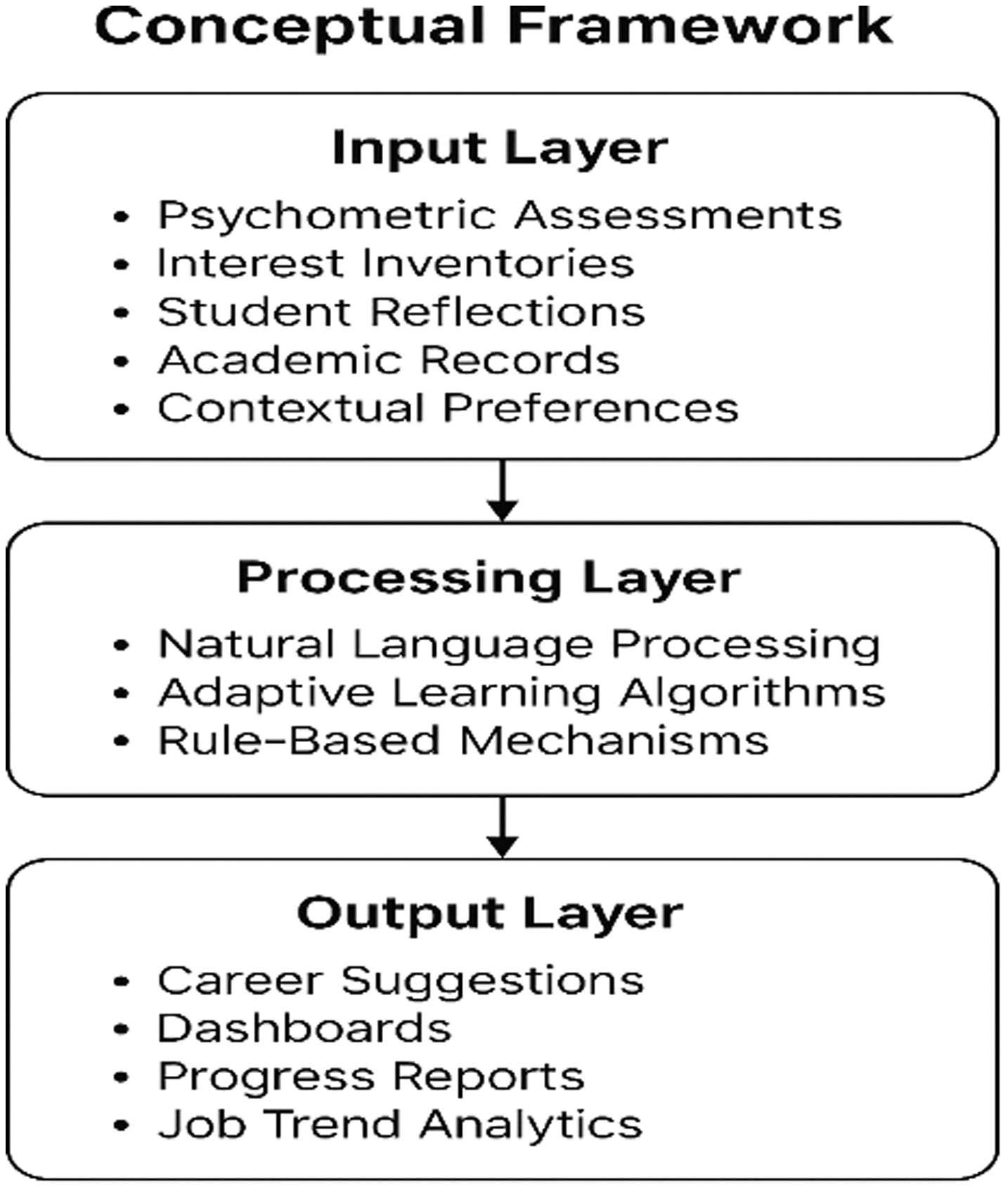 Fig. 1. Conceptual framework of AI-based adaptive career guidance input layer.
The input layer functions as the foundation of the system by collecting and organizing diverse forms of learner data. This includes psychometric assessments, interest inventories, academic performance records, attendance and behavioral indicators, and contextual preferences such as preferred work environments, geographic mobility, and industry sector interests. In addition, the system captures narrative inputs from students’ reflections, open-ended responses, and self-descriptions which are essential for understanding affective and motivational aspects of career development. Through this multimodal intake, the framework constructs a multidimensional representation of each learner, enabling the system to move beyond static, single-source records and toward a holistic understanding of the individual’s potential, challenges, and aspirations [30].
In addition to learner-specific data, the input layer also accommodates structured reference data relevant to the Indonesian TVET context. These include qualification levels, occupational clusters, competency standards, certification pathways, and region-specific industry profiles. In the processing layer, such reference data are operationalized through rule-based matching and adaptive recommendation logic, allowing the system to relate student characteristics not only to general career categories but also to nationally and regionally recognized pathways. This explicit integration ensures that the framework is localized, policy-aware, and better suited to the institutional realities of Indonesian vocational education.
J.PROCESSING LAYER
The processing layer forms the analytical core of the framework. It integrates several AI-driven mechanisms to interpret and synthesize the data collected in the input layer. NLP tools analyze textual responses to extract themes related to career interests, self-efficacy, perceived barriers, and motivational cues. Adaptive learning algorithms identify evolving patterns in student behavior and preferences, enabling the system to adjust recommendations based on new information or changes in user interaction over time. Rule-based decision engines align student profiles with occupational categories, training pathways, and competency requirements.
Crucially, the processing layer operationalizes principles from SCCT and the TPB. Elements such as self-efficacy, outcome expectations, attitudes toward careers, perceived social norms, and behavioral control are incorporated into the recommendation logic, ensuring that outputs reflect not only technical alignment but also psychological readiness and motivation. As students interact with the platform or as labor market conditions shift, the adaptive engine recalibrates suggestions to maintain relevance and accuracy. This dynamic processing ensures that the system supports continuous career development rather than one-time guidance.
K.OUTPUT LAYER
The output layer presents the interpreted information in clear, actionable forms tailored to different users. For students, the system generates personalized career recommendations, suggested learning pathways, and visual reports that highlight strengths, potential areas for growth, and alignment with various occupational clusters. These outputs help students understand how their interests, competencies, and preferences fit into real-world opportunities. For counselors, the system provides dashboards that consolidate student data, track developmental progress, and display analytics on performance indicators and guidance needs. This enables counselors to offer more targeted, informed interventions.
In addition, the output layer incorporates labor market analytics, displaying current job trends, required competencies, and projected industry demands. By integrating real-time workforce information, the system allows both students and counselors to make decisions grounded in contemporary labor conditions rather than outdated or generalized assumptions. The diagrams included in your manuscript illustrate the flow of data across the three layers, showing how psychological, behavioral, and contextual elements interact to produce adaptive and meaningful guidance outputs.
L.EXPERT VALIDATION
The conceptual framework was subjected to expert validation to ensure its clarity, theoretical robustness, contextual alignment, and practical viability. Three experts were invited to participate in this process, selected based on their established academic credentials, publication records, and professional experience in educational technology, AI integration in learning environments, and vocational counseling. Their diverse expertise allowed for a comprehensive evaluation of both technological and pedagogical dimensions of the proposed model.
The experts reviewed the framework using a structured validation rubric that assessed dimensions such as logical coherence, alignment with theoretical constructs, contextual suitability within Indonesia’s vocational education system, and potential feasibility for school-level implementation. The validation process was conducted in two iterative feedback cycles, during which experts provided written comments, suggested revisions, and evaluated refinements made after each iteration. This iterative approach ensured that the conceptual framework evolved in response to informed critique and achieved a higher degree of internal consistency and relevance.
M.LOGICAL CONSISTENCY
Experts agreed that the framework demonstrated clear and coherent logic, particularly in illustrating the flow of multimodal data across layers, the integration of adaptive algorithms, and the mapping of learner attributes to career recommendations. They noted that the layered structure input, processing, and output reflected a well-organized system architecture that aligns with contemporary AI-enabled educational design. Minor improvements were recommended, such as clarifying terminology within the diagrams and simplifying certain labels to improve interpretability for non-technical users.
N.THEORETICAL ALIGNMENT
The reviewers affirmed that the framework was strongly grounded in the selected theoretical models SCCT, the TPB, and the CIPP evaluation framework. They highlighted that key constructs such as self-efficacy, outcome expectations, behavioral intentions, and contextual evaluation were meaningfully embedded within the processing logic of the system. This theoretical integration, according to the experts, strengthened the conceptual validity of the model and ensured that its adaptive mechanisms aligned with established principles of career development and decision-making.
O.CONTEXTUAL RELEVANCE
All three experts emphasized that the framework appropriately addressed the unique challenges of Indonesia’s vocational education context. They acknowledged the model’s responsiveness to issues such as fragmented data systems, limited technological infrastructure, variability in digital literacy among school staff, and misalignment between school competencies and industry needs. To further enhance contextual fit, the experts suggested incorporating region-specific skill taxonomies and industry profiles, which would increase the precision and cultural relevance of career recommendations across different geographic areas.
P.PRACTICAL FEASIBILITY
Regarding feasibility, experts recognized that successful implementation would require adequate training for counselors, stakeholder collaboration, and institutional support for digital transformation. They viewed the framework as practical and achievable, provided that vocational schools adopt a phased implementation strategy and develop guidelines for integrating AI tools into counseling workflows. The experts also stressed the need to embed ethical safeguards particularly those related to data privacy, informed consent, and the handling of sensitive student information to ensure compliance with educational and legal standards.
Overall, the expert validation process confirmed the framework’s conceptual strength and practical potential. A narrative summary corresponds to the type of validation table presented earlier in the manuscript (Table III), which synthesizes expert evaluations across validation criteria.
Table I. Summary of key findings from student needs assessment
| Category | Description | Indicator | Observed trend |
|---|---|---|---|
| Personalization | Guidance too general; not interest-based | Need for individualized recommendations | High demand (>75%) |
| Accessibility | Limited access to tools and counselors | Preference for digital platforms | 70% interest in online systems |
| Feedback & support | Lack of post-counseling follow-up | Desire for adaptive progress tracking | 68% expect adaptive mechanisms |
| Data integration | Fragmented psychometric and academic data | Request for unified career profiles | 80% support integrated systems |
Table II. Key themes identified from counselor and industry feedback
| Theme | Description | Stakeholder concern |
|---|---|---|
| Guidance integration | Systems fail to unify academic, psychometric, and behavioral data | Counselors |
| Digital transformation | Counselors need accessible, AI-supported tools | Counselors |
| Industry relevance | Student choices do not match job market needs | Industry representatives |
| Collaboration | Schools need structured industry partnerships | Both |
| Ethics & privacy | Concerns about student data protection in digital systems | Both |
Table III. Summary of expert validation results
| Validation criteria | Expert consensus | Key feedback |
|---|---|---|
| Conceptual clarity | 95% agreement | Clear theoretical integration; simplify labels in diagrams |
| Theoretical integration | 90% agreement | Strong SCCT/TPB alignment; emphasize role of self-efficacy |
| Contextual relevance | 88% agreement | Fit with Indonesia’s TVET system; include regional industry skill taxonomies |
| Practical feasibility | 85% agreement | Implementable with training and collaboration; highlight ethics and data governance |
V.DISCUSSION
The findings of this study reveal a clear mismatch between the needs of vocational learners and the capabilities of existing career guidance systems [31]. When interpreted through SCCT, these findings highlight significant gaps in students’ self-efficacy and outcome expectations. The strong desire for personalized guidance, reflected by more than three-quarters of surveyed students, suggests that current practices fail to help learners build confidence in their ability to pursue appropriate career pathways. SCCT emphasizes that students must believe in both their competence and the value of potential outcomes; however, the static and generalized nature of existing guidance services does little to nurture these beliefs [32]. The conceptual framework addresses this gap by using adaptive mechanisms that reinforce self-efficacy through iterative feedback and tailored recommendations.
The TPB further illuminates why vocational students often hesitate to act on the limited guidance they receive [33]. According to TPB, students’ intentions depend on their attitudes toward career options, the influence of social norms, and their perceived control over decision-making. The present findings show that students lack clarity about job requirements, counselors face systemic constraints, and industries report persistent misalignment all of which can weaken students’ perceived behavioral control. By incorporating narrative analysis and contextual insights [34], the framework enables the system to generate recommendations that account for students’ beliefs, family expectations, and perceived barriers, thereby increasing the likelihood of career-related action.
The CIPP evaluation model provides additional interpretive depth by clarifying how contextual, procedural, and outcome-related factors shape the need for an adaptive system [35]. The context of TVET is characterized by fragmented data, insufficient digital infrastructure, and weak school–industry alignment. The Input dimension aligns with the system requirements identified through the needs analysis, including multimodal data intake and real-time analytics. The Process dimension is represented by the framework’s adaptive algorithms, which evaluate and adjust recommendations continuously. Finally, the Product dimension aligns with expected improvements in student readiness, more efficient counselor decision-making, and guidance practices that reflect real-world labor market conditions. Together, these theoretical interpretations demonstrate that effective vocational guidance must operate at the intersection of psychological support, behavioral insight, and contextual responsiveness areas where traditional models fall short.
The proposed framework contributes significantly to the transformation of vocational education systems by introducing adaptive, data-driven mechanisms that address long-standing challenges. Its emphasis on personalization offers a meaningful shift from the generic approaches currently used in many TVET institutions [36]. By synthesizing psychometric, academic, and behavioral data into individualized pathways, the framework ensures that each learner receives guidance aligned with their unique strengths, preferences, and developmental needs. This personalization also supports sustainable career development by allowing students to revisit and refine their pathways as their interests or the labor market evolve.
Additionally, the framework fills a critical gap in addressing skill mismatches, a persistent issue identified by industry stakeholders. By integrating real-time labor market information into guidance outputs, the system aligns students’ competencies with emerging occupational demands. This alignment strengthens workforce readiness and improves the likelihood of successful transitions from school to employment [37]. Overall, the framework provides a structured, scalable approach that supports Indonesia’s digital transformation agenda and advances TVET institutions toward more innovative, accountable, and equitable career guidance models.
Although previous studies have demonstrated the potential of artificial intelligence to enhance educational processes, most focus on adaptive learning, course recommendation systems, or assessment technologies. Few studies extend AI’s capabilities into the career guidance domain, particularly within vocational settings [38]. Existing systems often rely on single-mode data sources, generate static outputs, or lack explicit grounding in career development theory. The framework introduced in this study offers several advancements over earlier models. By integrating multimodal data psychometric profiles, narrative reflections, academic performance, and contextual preferences it produces a deeper and more holistic understanding of learners’ readiness and aspirations. Its integration of SCCT, TPB, and CIPP provides a rare theoretical coherence absent from most AI-guidance tools, ensuring that recommendations address not only technical skill alignment but also psychological readiness, behavioral factors, and contextual fit [39]. Furthermore, the framework is designed specifically for Indonesia’s TVET context, addressing digital literacy gaps, fragmented systems, and industry misalignment in ways that earlier generic models do not.
The findings have several important practical implications for vocational education stakeholders. For TVET institutions, the framework provides a blueprint for transitioning to integrated digital ecosystems capable of managing multimodal student data efficiently [40]. Schools can implement the system by embedding digital assessments at key stages, using dashboards to monitor student progress, and aligning academic planning with labor market insights. For counselors, the system offers tools that reduce administrative burden and enhance the capacity to provide individualized support. Instead of navigating fragmented data sources, counselors can access consolidated dashboards, real-time analytics, and algorithm-assisted recommendations that support more accurate and proactive interventions. For policymakers, the model aligns with national digital transformation strategies and can inform the development of regulatory standards [41], investment priorities, and regional workforce planning. For developers of AI-guided learning systems, the framework offers an adaptable, ethically grounded foundation for designing guidance platforms that integrate multiple data sources and theoretical constructs.
Although the study provides a strong conceptual foundation, several limitations must be acknowledged. First, the research focuses on the design of a conceptual framework and does not include prototype testing or real-world implementation. The system’s actual performance, usability, and effectiveness therefore remain untested. Second, the needs analysis was conducted in three regions, which may limit the generalizability of findings across Indonesia’s culturally and economically diverse TVET landscape. Third, student responses were based on self-reported perceptions, which may be influenced by awareness levels or recall bias. Finally, although expert validation strengthened the conceptual rigor of the framework, practical feasibility depends on institutional readiness, counselor training, and availability of adequate digital infrastructure.
Future research should focus on developing a functional prototype of the system and evaluating its usability in real TVET school environments. Pilot studies across different regions would allow researchers to examine contextual variations, refine system features, and assess implementation challenges. Future implementations may also connect the proposed AI-based guidance engine to immersive or virtual environments to strengthen experiential exploration. Building on metaverse-based educational environment development and validation approaches [42], TVET guidance could be extended into optional modules such as virtual workshops, simulated workplaces, or guided tours of training facilities and occupational clusters. In such designs, the AI system can operate as the adaptive intelligence layer (profiling, recommendation, and feedback loops), while the immersive environment functions as the interaction layer that allows learners to explore career information through spatial navigation and scenario-based tasks. Importantly, these immersive modules should be treated as optional extensions to ensure the framework remains feasible in schools with limited infrastructure, where standard web/mobile interfaces can deliver the same guidance logic. Longitudinal studies are also needed to determine the system’s long-term impact on career readiness, self-efficacy, and employment outcomes. Additionally, ethical considerations require deeper exploration, particularly regarding data privacy, algorithmic transparency, and potential bias in machine learning models. Future development should integrate robust safeguards to ensure fair, equitable, and responsible AI use. Finally, incorporating region-specific skill taxonomies, multilingual support, and integration with national labor market systems would further enhance the framework’s scalability and relevance.
VI.CONCLUSION
This study has addressed persistent limitations in vocational career guidance by developing a conceptual framework for an AI-based adaptive guidance system grounded in empirical needs analysis and established theoretical perspectives. The findings revealed substantial gaps in personalization, data integration, and labor-market alignment, indicating that prevailing guidance practices remain insufficient for supporting vocational students in dynamic educational and employment contexts.
The framework developed in response to these findings has integrated SCCT, the TPB, and the CIPP model into a structured architecture consisting of multimodal input, adaptive processing, and decision-oriented output layers. In doing so, the study has provided a theoretically grounded and contextually responsive model capable of supporting continuous rather than episodic career guidance. The incorporation of multimodal learner profiling, adaptive recommendation mechanisms, and labor-market intelligence has strengthened the framework’s relevance for vocational education settings undergoing digital transformation.
This study has also contributed practically by offering a localized conceptual basis for modernizing career guidance in Indonesian TVET. By positioning AI as a decision-support tool rather than a substitute for counselors, the framework supports more efficient workflows, more coherent student profiling, and stronger alignment between educational preparation and workforce demand.
Nevertheless, the study has remained conceptual in scope. The framework has not yet been implemented as a functional prototype, and its usability and effectiveness therefore require empirical testing in real school settings. Future research should develop and evaluate a prototype, examine region-specific implementation needs, and strengthen the integration of localized taxonomies, ethical safeguards, and validated labor-market data infrastructures. Overall, this study has laid an important foundation for the development of adaptive, ethical, and context-sensitive AI-supported career guidance in vocational education.